The Magnum Agency was founded in 1947 by renowned photographers Henri Cartier-Bresson, Robert Capa, George Rodger, and David “Chim” Seymour.
Magnum Photos is one of the most prestigious photography agencies in the world.
From its inception, Magnum stood out for its focus on documentary photography and its commitment to the honest and humane representation of global events, establishing standards that redefined photojournalism. Its legacy continues today, influencing generations of photographers and documenting some of the most iconic moments in contemporary history.
Origins and Philosophy
The foundation of Magnum emerged after World War II, at a time of social and artistic reconstruction. The agency was born out of a shared need among its founders to ensure the artistic freedom and editorial independence of their work. At that time, photographers often lost the rights to their images after being published in the media, a model that Magnum challenged by granting photographers control over their work.
Henri Cartier-Bresson, one of the founders, expressed Magnum’s philosophy through his concept of the “decisive moment.” This concept suggests that the photographer must capture the perfect moment in which visual and emotional meaning converge. This approach not only emphasizes the importance of patience and observation in photojournalism, but it also cemented a visual style that would influence the standards of documentary and artistic photography for decades.
Magnum and Photojournalism
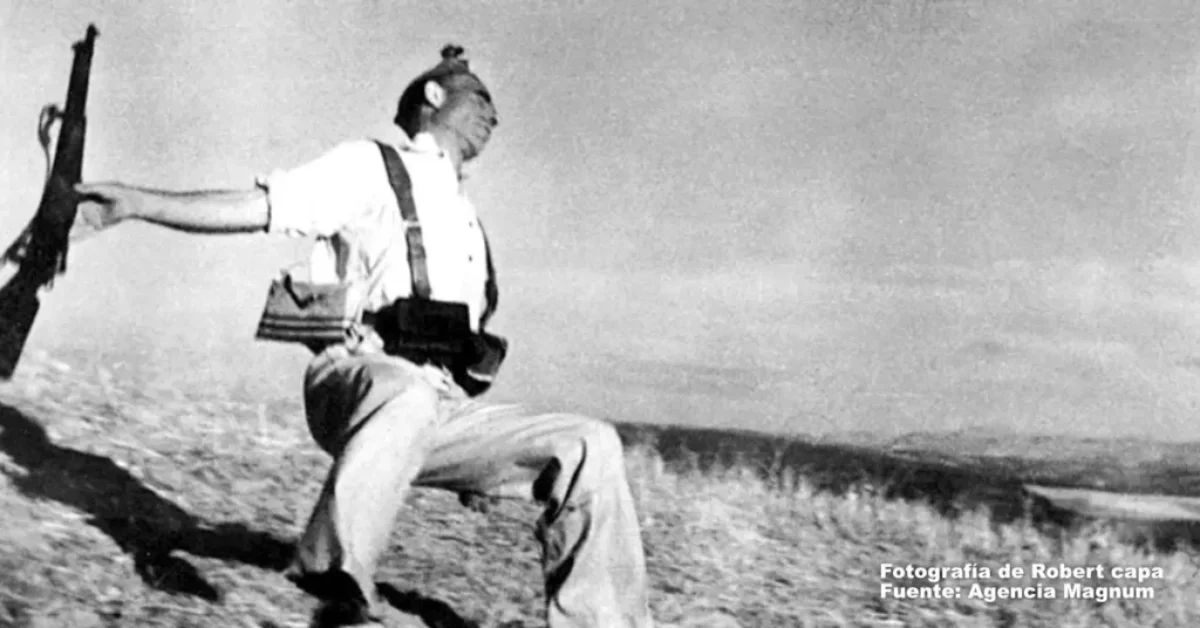
Magnum’s impact on photojournalism was immediate and lasting. Magnum photographers covered some of the most crucial events of the 20th century, from wars to social movements. Robert Capa, for example, was known for his coverage of the Spanish Civil War, World War II, and the First Indochina War. His famous motto, “if your pictures aren’t good enough, you’re not close enough,” reflects the ethic of closeness and emotional commitment that defined the agency.
Moreover, Magnum allowed its photographers the freedom to choose their subjects and develop their projects. This approach has allowed Magnum to produce in-depth reports that go beyond merely documenting an event, offering a broader and more human perspective. This has translated into images that not only document a historical moment but also reveal the experiences and emotions of the people involved.
Innovation and Adaptation
Throughout its history, Magnum has shown a remarkable ability to adapt to technological and editorial changes. As the world of photography evolved, the agency adopted new technologies, including digital photography and, in recent years, social media photography and multimedia projects. The agency has collaborated on virtual reality projects and has explored new forms of visual storytelling, expanding its impact in an era dominated by digitalization.
One of the most recent examples of innovation is Magnum’s expansion into online sales of its photographic archives and the creation of limited edition prints. This strategy has allowed the agency to reach new audiences and generate additional income, maintaining the sustainability of its operations and ensuring that the work of its photographers remains accessible and appreciated.
Magnum and Art
Over the decades, the work of Magnum photographers has transcended the boundaries of photojournalism and entered the world of art. The images of photographers like Cartier-Bresson, Capa, and Eve Arnold are exhibited in museums and galleries around the world, from MoMA in New York to Tate Modern in London. These exhibitions not only highlight the aesthetic and technical quality of the images but also invite the public to reflect on the complex social and political realities they portray.
Magnum’s artistic approach is evident in the work of photographers like Elliott Erwitt, known for his humorous and poetic view of everyday life, and Steve McCurry, whose famous portrait of the “Afghan Girl” is one of the most recognizable images in the world. The ability of these photographers to capture the human essence and tell visual stories has been key to establishing Magnum not only as a news agency but as a collective of artists.
The Challenges and Evolution of Magnum
Despite its success and prestige, Magnum has faced significant challenges, especially in a world where photojournalism has changed drastically. The proliferation of social media and the rise of amateur photography have democratized access to visual information, making professional photography face constant competition. Magnum has had to adapt to this new environment by expanding its presence on digital platforms and diversifying its sources of income.
Additionally, Magnum has been the subject of internal debates about the agency’s future and mission. In an environment where journalism faces economic constraints, the agency has worked to balance its ethical principles with economic sustainability. This has led to collaborations with corporations and brands, although Magnum has always maintained its commitment to protecting the integrity of its photographers and its mission.
Diversity and the Future of Magnum
One aspect on which Magnum has recently worked is diversity and representation within its collective. Traditionally dominated by men, the agency has recognized the importance of including diverse perspectives and has made conscious efforts to expand its representation. Photographers like Susan Meiselas, Cristina García Rodero, and Alessandra Sanguinetti have contributed their unique voices and expanded the agency’s thematic repertoire, exploring issues of gender, culture, and identity.
Looking to the future, Magnum remains committed to its founders’ mission: documenting the human condition. In an increasingly complex world, this mission is perhaps more relevant than ever. The agency continues to seek young and talented photographers who share its vision and commitment, ensuring that the next generation of photographers keeps Magnum’s legacy alive.
Magnum in Popular Culture
Magnum’s influence goes beyond the realm of photojournalism; its images have been referenced and used in literature, film, and advertising. Magnum’s visual aesthetic and narrative have inspired filmmakers, writers, and artists from various disciplines. Additionally, Magnum’s archives, containing millions of photographs, are an inexhaustible source of documentation and reference for historians and scholars of visual culture.
The agency has published numerous books compiling some of its most iconic photographs, such as “Magnum Contact Sheets,” which offers an intimate look at the photographers’ process of selecting their images. These publications not only preserve the agency’s legacy but also educate the public about the art of photography and the importance of photojournalism.
Current Photographers at Magnum
In the Magnum Photography Agency, there are currently photographers from various generations who continue to renew photojournalism and documentary art with fresh and profound perspectives on social and political issues. Among them, Susan Meiselas remains one of the iconic figures; her work spans from the conflict in Nicaragua to women’s rights in the United Kingdom. Meiselas is recognized for her humanistic and collaborative approach to her subjects, being an important pillar in the agency.
Cristina de Middel, current president of Magnum and one of the most relevant Spanish photographers, is known for her series exploring social issues through an ironic and critical aesthetic. Her approach deviates from traditional documentary, and her work invites questioning reality, fiction, and the role of contemporary photojournalism. Another important talent is Lua Ribeira, who stands out for her focus on immigration and marginalized communities, creating images full of symbolism and personal meaning.
Also among the younger generation of photographers are Hannah Price, known for her focus on race and identity issues in the United States, and Myriam Boulos, who documents everyday life in Beirut. Alessandra Sanguinetti explores, with an intimate and theatrical approach, the lives of people in Argentina and the United States, while Bieke Depoorter presents collaborative projects questioning the boundaries of the photographer-subject relationship, as seen in her series Agata.
These current Magnum photographers continue to keep the agency at the forefront of photojournalism and documentary photography, exploring new narratives and formats in an era where the image and its meaning are constantly evolving.
Magnum Photos has come a long way since its founding in 1947, but its commitment to integrity, creativity, and documenting the human condition remains intact. Over the decades, the agency has demonstrated that photography is not only a tool for information but also a means to connect people with other people’s stories. Today, Magnum continues to be a beacon in the world of photojournalism and artistic photography, adapting to the challenges of the digital age and ensuring that its images remain a source of inspiration and reflection for future generations.